
Heating Oil Theft & Oil Tank Security
Last updated 30 October 2026 by Fuel Tank Solutions.
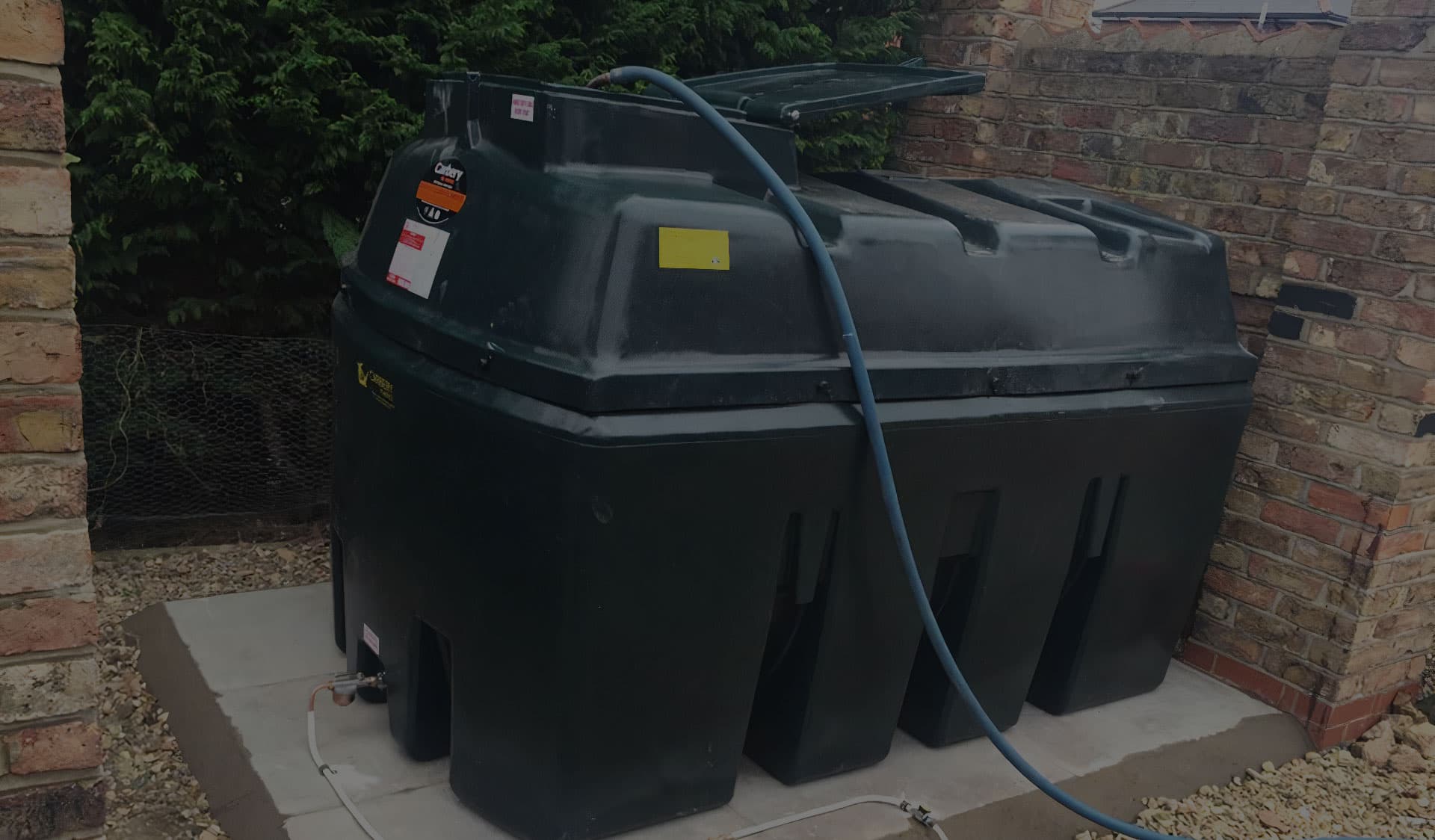
Fuel tanks are an important investment, and a full tank of heating oil is worth stealing. Oil theft can leave you without heating and facing the cost of refilling the tank, repairing damage and, if oil is spilled, cleaning up the ground. A few simple security measures make your tank a much harder target. Speak to Fuel Tank Solutions about the right security for your property: we can discuss your requirements, where the tank is, and the best way to protect your fuel.
How Heating Oil Theft Happens
Most heating oil thefts happen at night, and rural and isolated properties are targeted most. Thieves look for tanks that can be reached from a road or field, are hidden from the house and have no lock. They usually break or lever off the lid and pump or siphon the oil into containers or a vehicle. Some cut the supply pipework or drill the tank instead, which causes spills as well as the loss of fuel.
Thefts tend to rise when oil prices are high and in the run-up to winter, when tanks have just been filled. Farms and businesses storing diesel face the same risk.
Signs Your Oil Has Been Stolen
- A sudden drop on the gauge that doesn’t match how much heating you’ve used
- The boiler stopping unexpectedly soon after a delivery
- A broken, cut or missing padlock, or a damaged lid or inspection hatch
- Cut, bent or disconnected pipework
- Oil stains, puddles or a strong smell of kerosene around the tank
- Tyre tracks, footprints or flattened fencing and hedges nearby
How to Protect Your Oil Tank
No single measure stops every thief, so use several together. The more time and noise it takes to get at the oil, the more likely a thief is to move on.
Lock the Tank
Fit a lockable lid or locking cap and use a strong, closed-shackle padlock that is hard to cut. Many modern bunded tanks have a lockable lid as standard. Lock the inspection hatch and any valve box too.
Use a Remote Oil Gauge with Alerts
A wireless or smart oil gauge shows your oil level indoors or on your phone. Many will alert you to a sudden drop in level, so you know straight away if oil is being taken or is leaking. It also helps you spot an unusual rise in use.
Light It Up and Watch It
PIR (motion-activated) security lighting near the tank is a strong deterrent. Visible CCTV cameras or a doorbell camera covering the tank add another layer, and record evidence if a theft does happen. Oil tank alarms that sound when the lid is opened or the level falls are also available.
Think About Where the Tank Is
Where possible, site the tank where it can be seen from the house but not from the road. Fencing, gates and prickly planting make it harder to reach. Any screening must still respect the siting rules: tanks should be at least 600 mm from trellis or foliage and 760 mm from a non-fire-rated boundary. See our oil tank regulations guide for the full distances.
Keep a Record and Look Out for Each Other
Note your gauge reading regularly and keep delivery receipts, so you can show how much oil was taken. Join or start a local watch scheme, and tell neighbours if you see suspicious vehicles, especially around delivery times.
Browse our fuel tank accessories, including gauges and fittings, or ask us to check your tank’s locks, lid and pipework during an oil tank service.
What to Do If Your Heating Oil Is Stolen
- Call the police. Report it on 101, or 999 if the theft is happening now. Get a crime reference number.
- Check for spills and damage. If oil has leaked onto the ground or towards a drain or watercourse, contain it if it’s safe to do so and report pollution to the Environment Agency incident hotline on 0800 80 70 60.
- Turn off the boiler if the tank is empty or nearly empty, to stop air or sludge being drawn into the system.
- Contact your insurer with the crime reference number, photos and your delivery records.
- Get the tank checked before refilling. A damaged lid, cut pipework or a cracked tank must be repaired first.
Oil Theft and Home Insurance
Cover for stolen heating oil varies. Some policies include the oil and any damage, others exclude it or only pay out if the tank was locked. Spills from a theft can be far more expensive than the oil itself, so check your policy covers clean-up costs. Ask your insurer what security measures they expect.
Oil Tank Security: Common Questions
How Do I Know If My Heating Oil Has Been Stolen?
Look for a sudden drop on your gauge that doesn’t match your usage, a broken or missing lock, a damaged lid or pipework, oil spills or a fuel smell around the tank, and tyre tracks or footprints nearby.
What Is the Best Way to Protect an Oil Tank from Theft?
Combine measures: a lockable lid with a closed-shackle padlock, a remote oil gauge that alerts you to sudden drops, PIR security lighting, and siting or screening that keeps the tank out of view while still meeting the siting rules.
Who Should I Report Heating Oil Theft To?
Report it to the police on 101, or 999 if the theft is happening now. Then contact your home insurer, and check the tank and surrounding ground for spills or damage.
Does Home Insurance Cover Stolen Heating Oil?
Some policies cover stolen oil and the damage caused, often only if the tank was locked. Check your policy wording, and ask your insurer what security they expect.